For years, my deadlift felt like it was stuck in quicksand. I’d hit 315 pounds, then 325, maybe 335 on a good day, but anything beyond that seemed impossible. My back would ache, my grip would fail, and my progress stalled for months on end. I followed all the conventional advice: “brace hard,” “keep a straight back,” “push the floor away.” Yet, the numbers on the bar refused to budge. The frustration was real, and it made me question if I was simply not built for heavy deadlifts.
Then, after countless hours of reviewing my own lifts, analyzing slow-motion footage of elite powerlifters, and working through subtle adjustments with a coach, I identified three critical, often overlooked, form tweaks. These weren’t revolutionary changes, but rather minor shifts in my setup and execution that collectively unlocked a new level of power and stability. Within six months of implementing these changes, I didn’t just break my plateau; I added a full 50 pounds to my deadlift, hitting a comfortable 385 pounds with far less perceived effort and zero back pain. If your deadlift feels stagnant, chances are you’re missing one or more of these crucial elements.
Key Takeaways
- Stop pulling the slack out of the bar passively; actively ‘pull the bar into you’ to engage the lats and establish true full-body tension.
- Avoid setting up too far from the bar; position your shins 1-2 inches from the bar at the start to optimize leverage and hip drive.
- Focus on ‘pulling your chest through’ at the top, rather than hyperextending your back, to ensure a strong, stable lockout.
The “Pull the Bar Into You” Cue: Mastering Lat Engagement
The most common advice for deadlift setup is to “pull the slack out of the bar.” While well-intentioned, this cue often leads to a passive, upper-back rounding setup for many lifters. They’ll lift the bar just enough to hear the plates clink, but true tension isn’t established. The bar might even drift forward slightly before the pull begins. This means the lats, which are critical for keeping the bar close and the back safe, aren’t fully engaged.
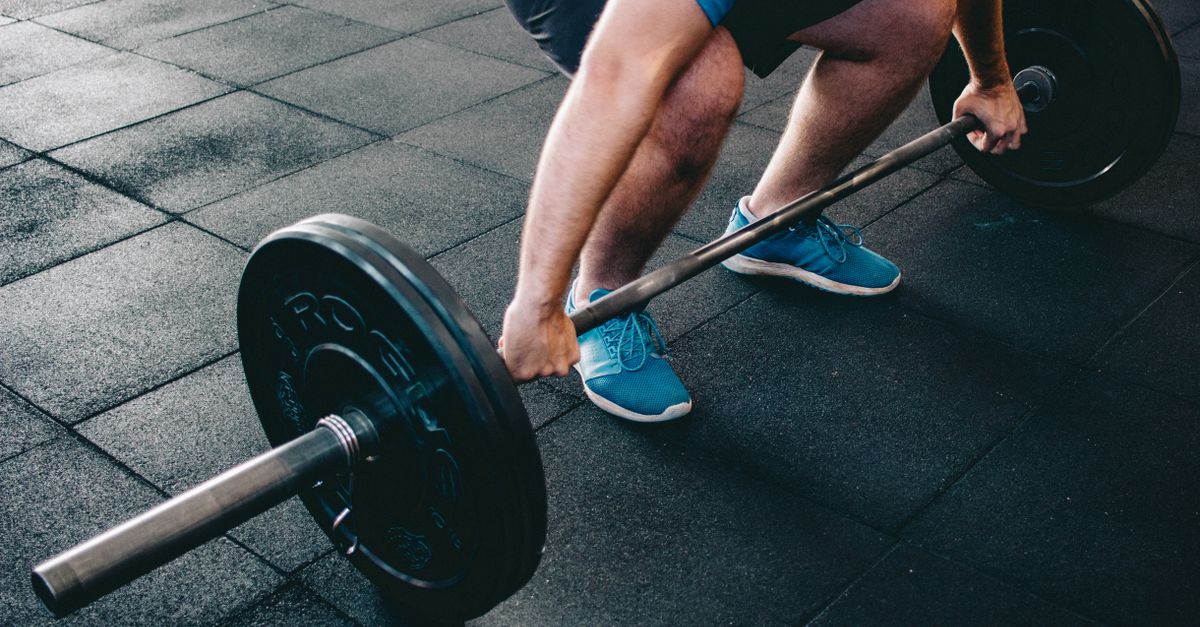
The game-changer for me was realizing I needed to actively “pull the bar into me” before initiating the lift. Imagine you’re trying to bend the bar around your shins. Here’s how to execute it:
- Grip the bar: Establish your conventional or sumo grip.
- Get into position: Lower your hips, with your shoulders slightly in front of the bar.
- Initiate the ‘pull’: Instead of just lifting the slack, actively drive your elbows towards your hips, as if you’re trying to tuck your shoulder blades into your back pockets. You should feel your lats contract hard. This creates a powerful tension line through your entire upper back and arms. The bar will lift a tiny fraction, but the critical change is the feeling of connection to the bar and tension in your lats and core. It almost feels like you’re trying to bend the bar before it leaves the floor.
When you effectively pull the bar into you, two crucial things happen: first, your lats act as natural stabilizers, preventing the bar from drifting away from your body, which is a major cause of lower back strain. Second, this active engagement ensures your entire posterior chain is primed and under tension before the heaviest part of the lift begins. The difference in stability and perceived effort is astounding. My 300-pound lifts felt like 250 pounds once I truly mastered this. It’s not about pulling the bar up yet, but about pulling it back and tight against your body.
Your Starting Position: Why Shins 1-2 Inches from the Bar is Non-Negotiable
Another pervasive issue I observe, and one I struggled with, is starting too far away from the bar. Many lifters set up with their shins touching the bar or even slightly past it, in an attempt to get their hips lower. However, this often leads to the hips dropping too low, making the lift more of a squat and reducing the leverage. Conversely, starting too far from the bar puts you in a disadvantaged position right from the start, forcing the bar to travel horizontally before it can go vertically.
The optimal starting position is with your shins approximately 1-2 inches away from the bar. Why this specific distance?
- Perfect Shin Angle: As you bend down to grip the bar, your shins will naturally come into contact with the bar. This positions your hips at the ideal height for maximum leverage – not too low (like a squat), and not too high (like a Romanian deadlift). Your hips should be higher than your knees, and your shoulders should be slightly in front of the bar.
- Bar Over Mid-Foot: This placement ensures the bar is directly over your mid-foot, which is the most mechanically advantageous position for pulling. When the bar is over your mid-foot, the force is distributed optimally, allowing you to use your powerful posterior chain effectively.
- No Horizontal Bar Travel: By starting close, but not touching, you eliminate the common mistake of the bar needing to travel forward to get over your mid-foot before it can begin its vertical ascent. Any horizontal movement of the bar is wasted energy and places unnecessary stress on your lower back.
I used to start with my shins touching the bar, which often pushed my hips too low, turning my deadlift into an inefficient squat-pull. By consciously starting 1-2 inches away, my hips found their natural, powerful position, allowing for a much more direct and powerful pull. This subtle adjustment felt awkward for a week, but then my initial pull off the floor became significantly smoother and stronger, as if the bar was simply floating up.
The “Pull Your Chest Through” Lockout: Avoiding Hyperextension
The lockout is where many deadlifts fall apart, both in terms of power and safety. The common cue, “pull your shoulders back,” often leads to lifters hyperextending their lower back at the top, trying to lean back excessively. Not only is this unsafe, but it’s also inefficient. A strong deadlift lockout comes from a powerful hip extension, not a spinal hyperextension.
The breakthrough for me was focusing on “pulling my chest through” at the top of the lift. Here’s what that means:
- Hip Drive First: As the bar passes your knees, your primary focus should shift to driving your hips forward powerfully. Think of pushing your glutes towards the wall in front of you.
- Engage the Upper Back: Simultaneously, as your hips come through, imagine you’re trying to proudly display a logo on your chest. You’re not leaning back; you’re extending your thoracic spine and bringing your shoulders into neutral alignment with your hips, not behind them. Your core remains braced, and your glutes are squeezed hard.
- No Barbell Swing: This cue prevents the common mistake of letting the barbell swing forward and then using a jerking motion to pull it back and hyperextend. The bar should finish directly under your shoulders, with your body in a straight line from head to heels.
When I shifted from trying to ‘lean back’ to ‘pulling my chest through,’ my lockout became dramatically more stable and felt incredibly powerful. My glutes fired harder, and the strain on my lower back vanished. It’s about finishing tall and strong, not leaning back like you’re trying to limbo. This seemingly small mental adjustment was the final piece of the puzzle that allowed me to consistently hit heavier weights without fear of back discomfort at the top.
Implementing these three tweaks – actively pulling the bar into you, optimizing your starting shin position, and focusing on pulling your chest through for lockout – might seem minor, but their cumulative effect is profound. They shift the deadlift from a potentially risky back exercise to a full-body, power-generating movement. If your deadlift has been a source of frustration, I urge you to experiment with these specific adjustments. Document your lifts, perhaps with video, and objectively assess the changes. The path to a stronger, safer deadlift often lies not in heroic efforts, but in precise, mindful execution.
Frequently Asked Questions
How do I know if I’m pulling the bar into me correctly?
You should feel a strong engagement in your lats and a sense of tightness through your entire upper back and arms, almost as if you’re trying to shorten your arms by driving your elbows down. The bar itself might not move much, but you’ll feel a solid, connected tension to it, and it will often ‘pop’ off the floor more smoothly when you initiate the actual pull.
My shins bleed when the bar scrapes them. Am I too close or too far?
If your shins are bleeding, it usually means your shins are touching the bar at the start, or you’re allowing the bar to drift too far forward on the descent. While a little scrape is normal, repeated bleeding indicates the bar path isn’t ideal. Try starting with your shins 1-2 inches away from the bar, and focus on keeping the bar as close as possible to your body throughout the lift, imagining you’re dragging it up your legs.
What if I still feel my lower back taking over during the deadlift?
Lower back dominance often points to a few issues: insufficient lat engagement, starting with hips too low or too high, or a weak core brace. Revisit the “pull the bar into you” cue, ensure your starting shin position is correct, and practice proper bracing techniques (imagine bracing for a punch). Also, consider incorporating specific glute and hamstring accessory work, as a weak posterior chain can force the lower back to compensate.
Should I wear a belt for deadlifts?
A lifting belt can be beneficial for heavier lifts, typically above 80% of your one-rep max, by providing external feedback for your core brace. However, it’s crucial to learn how to brace properly without a belt first. The belt is an aid, not a substitute for a strong, engaged core. In my experience, relying too heavily on a belt for every set can prevent you from developing intrinsic core strength.
How often should I deadlift for strength gains?
For most individuals focusing on strength, deadlifting once a week with adequate recovery is highly effective. Some advanced lifters might deadlift more frequently with varying intensities. The key is to ensure sufficient recovery between sessions to allow your nervous system and muscles to adapt and grow stronger. Listen to your body and prioritize proper form over frequency.